Eye care · Hattiesburg, MS
Glaucoma testing and monitoring
Glaucoma steals side vision slowly and quietly. Regular testing is how it gets caught before it gets noticed.
What it is
The "silent thief of sight"
Glaucoma damages the optic nerve, usually because pressure inside the eye is higher than the nerve can handle.
The most common type has no early symptoms. Peripheral vision fades so gradually that most people don’t notice until a lot of it is gone, and that loss can’t be restored. The good news is that when glaucoma is found early, treatment can slow or stop it.
Who should be tested more often
- Adults over 60
- Anyone with a parent or sibling who has glaucoma
- People with diabetes or high blood pressure
- Those who are very nearsighted
- Anyone who has had an eye injury or long-term steroid use
How we test for glaucoma
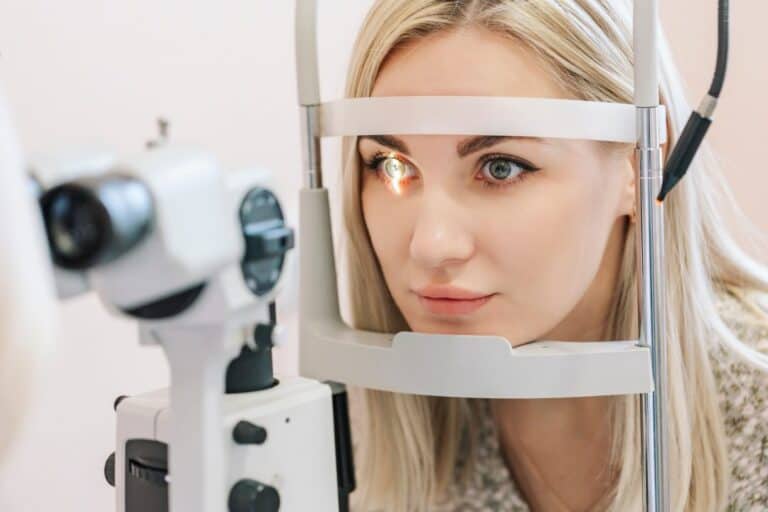
A glaucoma evaluation is quick and painless. Dr. Harden measures your eye pressure, examines the optic nerve, and may check your peripheral vision. Because one reading doesn’t tell the whole story, we compare results over time to see whether anything is changing.
Ongoing management
If you’re diagnosed with glaucoma or flagged as a suspect, we’ll set up a monitoring schedule that fits your risk. Treatment often starts with daily eye drops. If you need laser or surgical care, we’ll refer you and stay involved in your follow-up.
Read more on our blog: Key signs of glaucoma to watch for.
Book a visit
See Dr. Harden on Hardy Street
Call the shop and we’ll find you a time, or ask about walking in today.
| Mon – Fri | 8:00 – 5:00 |
| Sat – Sun | Closed |
3901 Hardy St, Suite 130
Hattiesburg, MS 39402
Does glaucoma testing hurt?
No. Pressure checks and optic nerve exams are painless and only take a few minutes.
Can glaucoma be cured?
Vision lost to glaucoma can’t be restored, but treatment can usually slow or stop further damage, which is why early detection matters.
How often should I be checked?
That depends on your risk. Many adults are checked during their regular eye exam. People with risk factors or a glaucoma diagnosis are seen more often.
Related
You might also need
Prescription, eye pressure, and a careful look at the health of each eye.